- Home
- Blog
- How Do “Data Storage Tools Integrations” with Other Cybersecurity Platforms Differentiate Your Cybersecurity Offering?
How Do “Data Storage Tools Integrations” with Other Cybersecurity Platforms Differentiate Your Cybersecurity Offering?
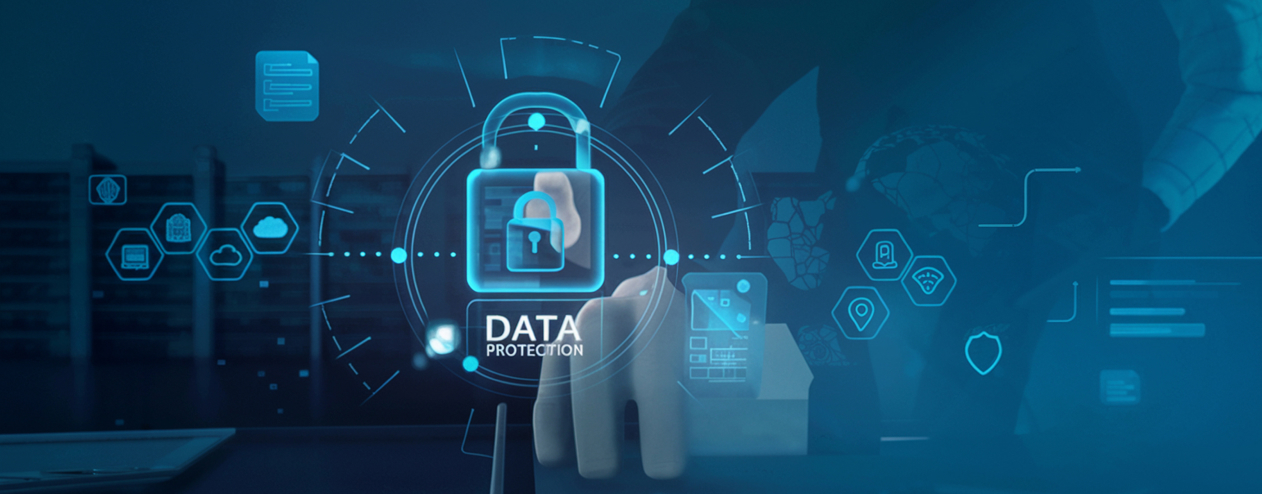
Data is the backbone of every modern enterprise, and data storage platforms such as AWS S3, Azure Blob, Google Cloud Storage, and NetApp have become essential for storing and managing it. While these platforms provide scalability, performance, and cost-efficiency, they also present new challenges. Sensitive business data is increasingly distributed across hybrid and multi-cloud environments, making it vulnerable to a wide range of cyber threats. Protecting this data requires more than encryption and access controls; it demands seamless integration between data storage tools and cybersecurity platforms. In today’s competitive market, such integrations are not optional but rather a critical differentiator for cybersecurity offerings.
The Need for Data Storage Tool Integrations.
Most data storage platforms provide basic security measures such as encryption, access policies, and monitoring. While important, these features are insufficient when dealing with advanced threats like ransomware, insider misuse, misconfigurations, or supply chain attacks. These risks directly target data-at-rest, making storage environments a prime target for attackers.
To address these risks, enterprises need comprehensive protection that extends beyond the storage environment itself. This is where integration with other cybersecurity tools becomes vital. By connecting storage platforms with SIEM, DLP, IAM, DSPM, SOAR, and threat intelligence solutions, organizations can bridge the gap between isolated storage security and their broader cybersecurity ecosystem.
How Data Storage Tool Integrations Differentiate Your Offering?
a. Unified Security Visibility for Stored Data
When data storage tools are integrated with SIEM and Threat Intelligence platforms, they provide real-time insights into anomalous activities such as unusual data access patterns, privilege escalation, or potential exfiltration attempts. Instead of treating storage as a silo, organizations gain a consolidated view of threats across their IT ecosystem. This positions your offering as a comprehensive visibility solution rather than a standalone tool.
b. Compliance and Sensitive Data Protection at Scale
Integration with DLP and DSPM tools enables enterprises to continuously classify, monitor, and protect sensitive data across storage platforms. Automated compliance checks ensure adherence to regulations like GDPR, HIPAA, SOC 2, and CCPA. By enabling real-time data discovery and risk assessment, your offering becomes a compliance-driven differentiator, helping enterprises simplify audits and reduce regulatory risks.
c. Smarter Access Controls Through Zero Trust
Integrating storage platforms with IAM and IGA solutions supports Zero Trust security models. Access to sensitive data can be dynamically restricted based on contextual signals—for example, blocking file downloads if suspicious behavior is flagged by an EDR tool. This adaptability makes your solution stand out as a risk-aware and intelligent security enforcer.
d. Automated Response for Storage-Related Threats
Through integration with SOAR platforms, data storage tools can participate in automated incident response workflows. If abnormal activity is detected, automated playbooks can instantly revoke credentials, quarantine buckets, block IP addresses, or notify SOC teams. This reduces both Mean Time to Detect (MTTD) and Mean Time to Respond (MTTR), demonstrating that your offering is not just reactive but proactively protective.
e. Cost-Effective Security with Faster Deployment
Deep integrations simplify management by reducing reliance on manual monitoring and eliminating silos. Security teams spend less time correlating disparate logs and more time addressing threats. Additionally, seamless integrations lead to faster deployment, giving your product a quicker go-to-market advantage. This shows enterprise customers that your solution isn’t just secure but also operationally efficient and business-ready.
Business Value of Data Storage Tool Integrations.
By enabling storage integrations into the broader cybersecurity ecosystem, enterprises gain:
- Lower breach risk by minimizing storage-related blind spots.
- Regulatory compliance readiness, building customer and partner trust.
- Improved efficiency with automated monitoring and response.
- Measurable outcomes like resilience, speed, and compliance instead of just features.
With these capabilities, your cybersecurity offering delivers not just technology, but business-aligned value.
Differentiating from Competitors with Storage Integrations.
Many vendors provide only basic connectors for storage platforms, but true differentiation comes from deep, bi-directional, and context-aware integrations. Enterprises increasingly prefer vendors who reduce integration complexity and deliver plug-and-play security value. By offering advanced storage integrations that enhance enterprise security ecosystems, your product gains a clear competitive edge.
Sacumen’s Role in Building Differentiated Integrations.
Data storage tool integrations are no longer optional; they are strategic enablers that transform your cybersecurity offering from a basic protection layer to a comprehensive business enabler. By delivering visibility, compliance, automation, and resilience, integrations help you differentiate your solution and position it as indispensable in enterprise security strategies.
At Sacumen, we specialize in building custom integrations with leading Data Storage Platforms exclusively for cybersecurity products. Our expertise ensures that your product not only integrates seamlessly but also delivers measurable security and business value to your customers. With Sacumen as your integration partner, you can confidently position your offering as not just secure—but strategically differentiated.
Other Blogs