AI-First Approach at Sacumen – Enabling Every Employee to Learn, Adapt, and Innovate
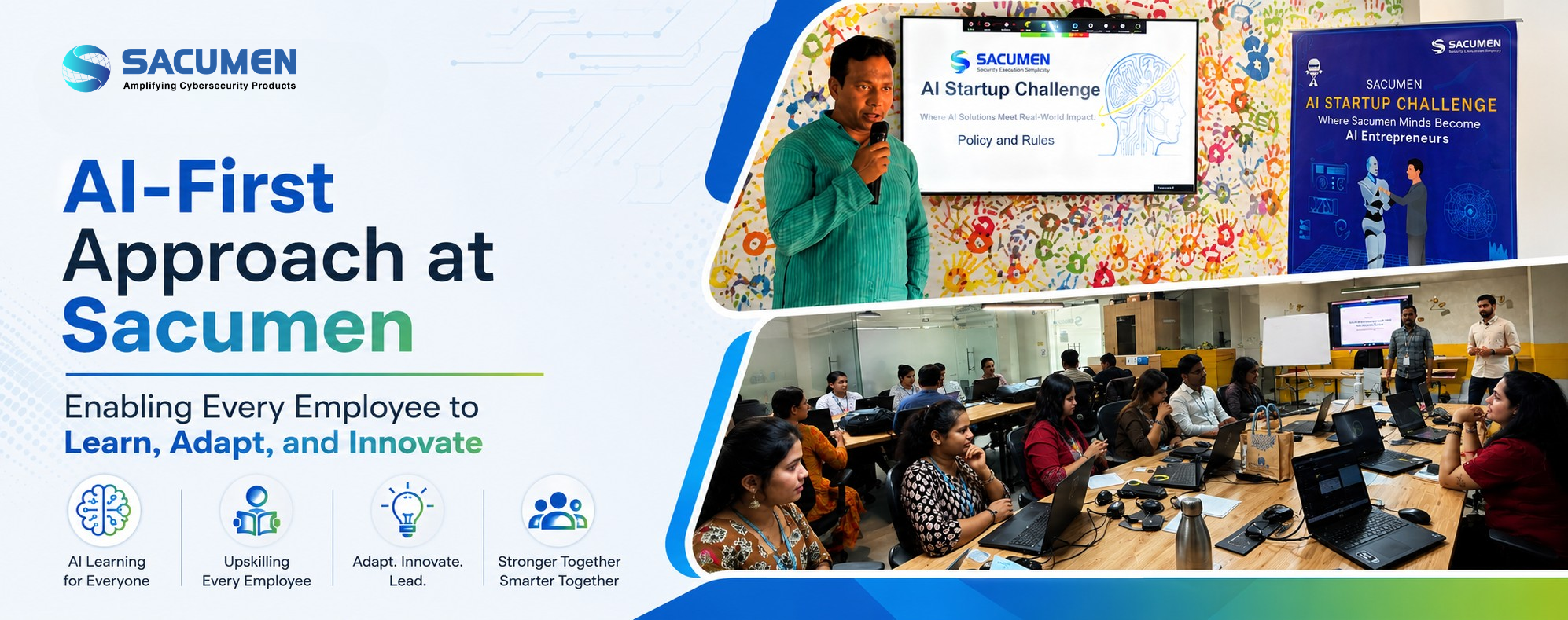
AI is no longer a skill advantage. It’s a baseline expectation.
At Sacumen, we’re not waiting for the industry to decide when that shift is complete — we’re building for it now, across every team.
Why We Made This Call
What we recognised early is that AI fluency isn’t a technical problem. It’s an organisational one. When only one part of the company knows how to use AI, the rest becomes the constraint. Decisions slow down. Feedback loops stretch. Work that could take hours takes days — not because the technology isn’t there, but because the people using it are outnumbered.
AI fluency is becoming table stakes for productivity, quality, and speed. Waiting for the tech teams to figure it out first, then cascade knowledge down over time, was never a real option. So we made a different call: AI learning is everyone’s responsibility, and building that capability is ours.
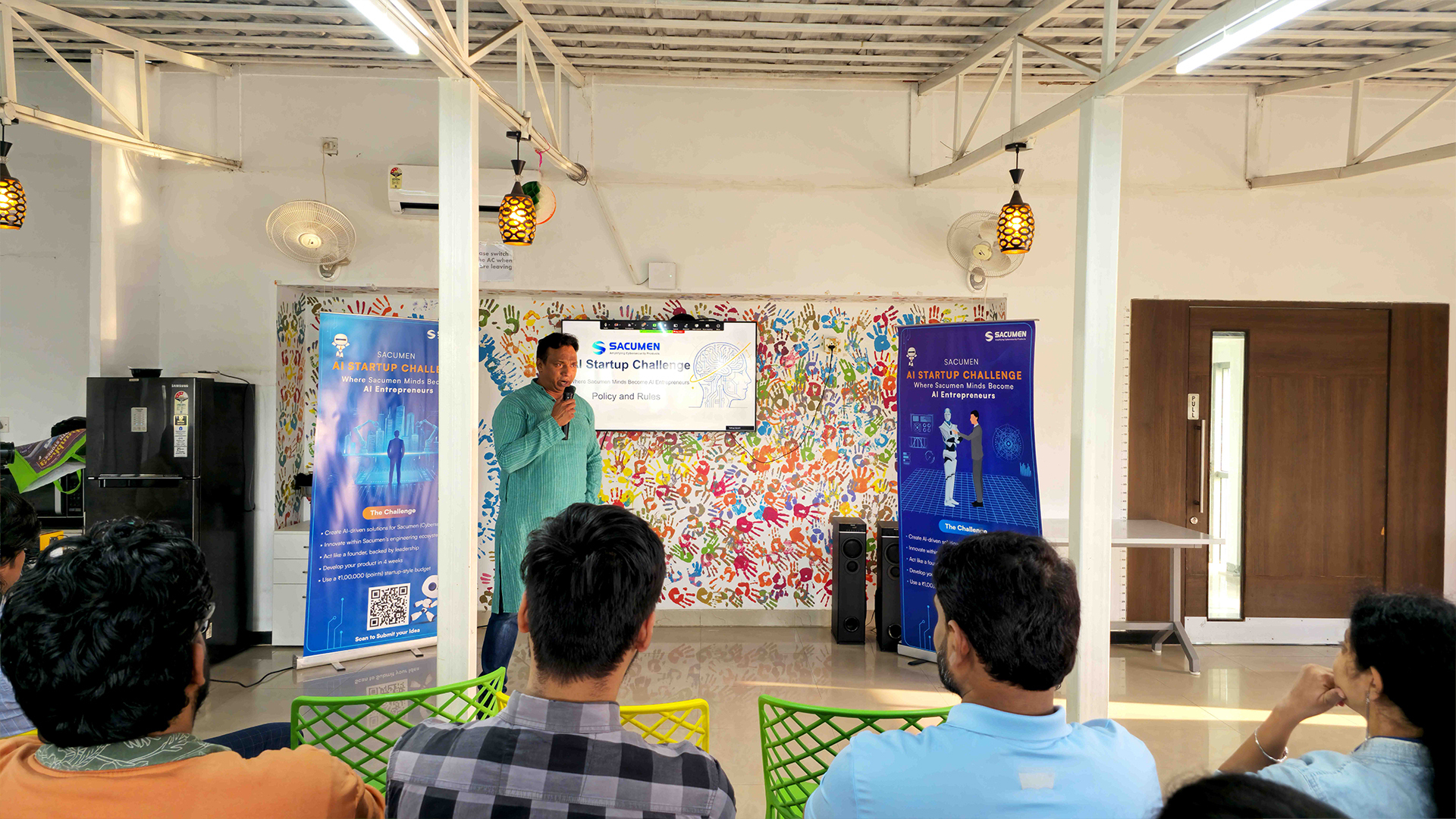
“The biggest risk is not AI replacing people; it’s people who don’t learn AI being outpaced by those who do. Continuous AI learning is now a core part of how we grow at Sacumen.” — Nitesh Sinha, Founder and CEO of Sacumen.
What AI Literacy Actually Means at Sacumen
We’re deliberate about the definition. AI literacy at Sacumen is not about knowing which tools exist or being able to describe what a large language model does. It is measured by practical output.
Can you build something with AI? Can you automate a workflow that used to take four manual steps? Can you use AI to improve the accuracy, speed, or quality of your work in a way that is repeatable?
That’s the bar — and it applies equally to engineers, marketers, HR professionals, finance teams, and operations. The tools may differ. The expectation does not.
This matters because AI creates value where people know how to apply it — not where it’s simply available. Access without application is just noise. Building applied AI capability across every team is the actual work, and it’s the work we’ve committed to.
The Initiatives We’ve Built
Company-wide AI fluency doesn’t come from a single training session or an annual certification. It requires a layered, ongoing approach. Here is what ours looks like in practice.
AI Workshops
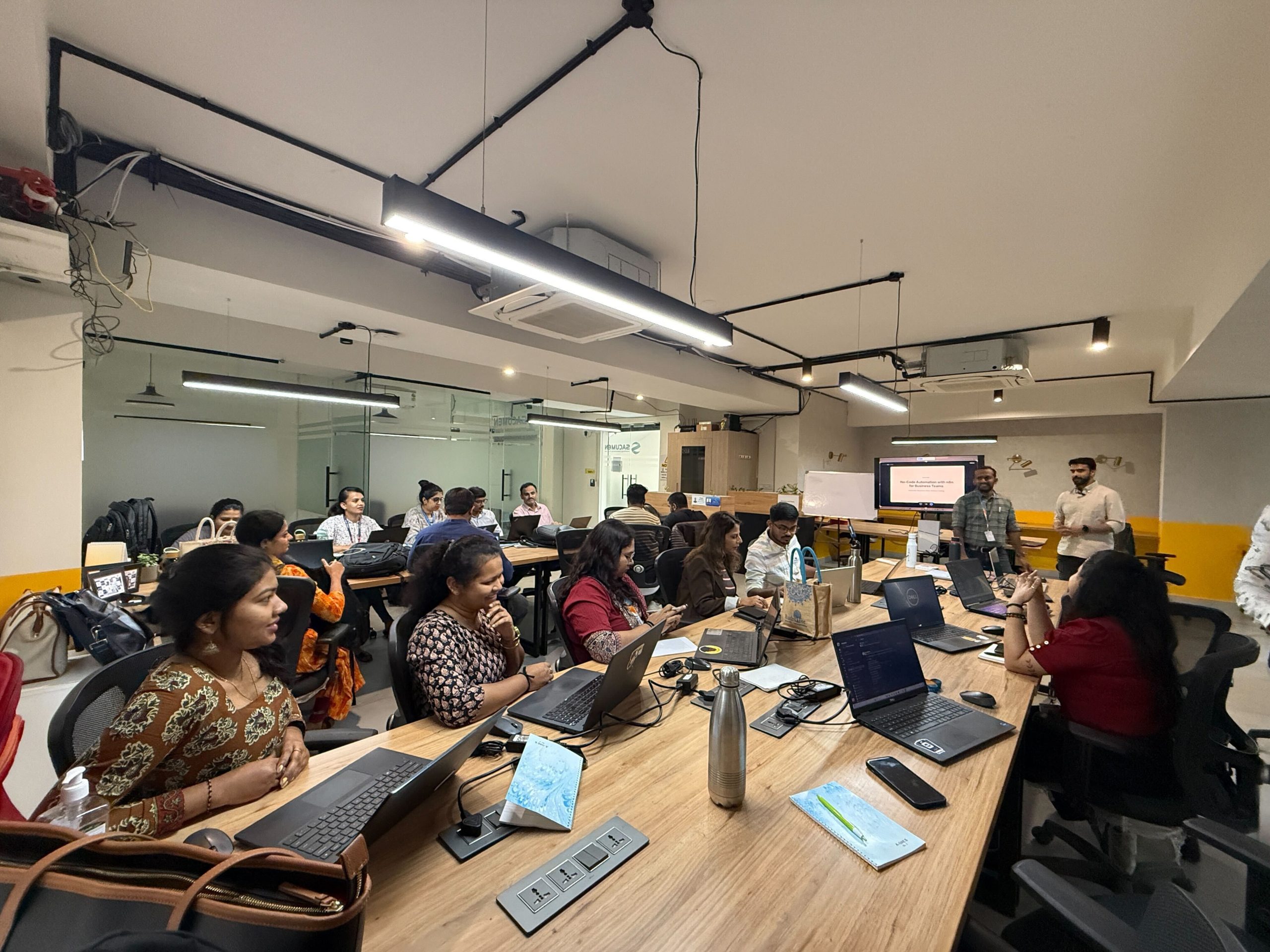
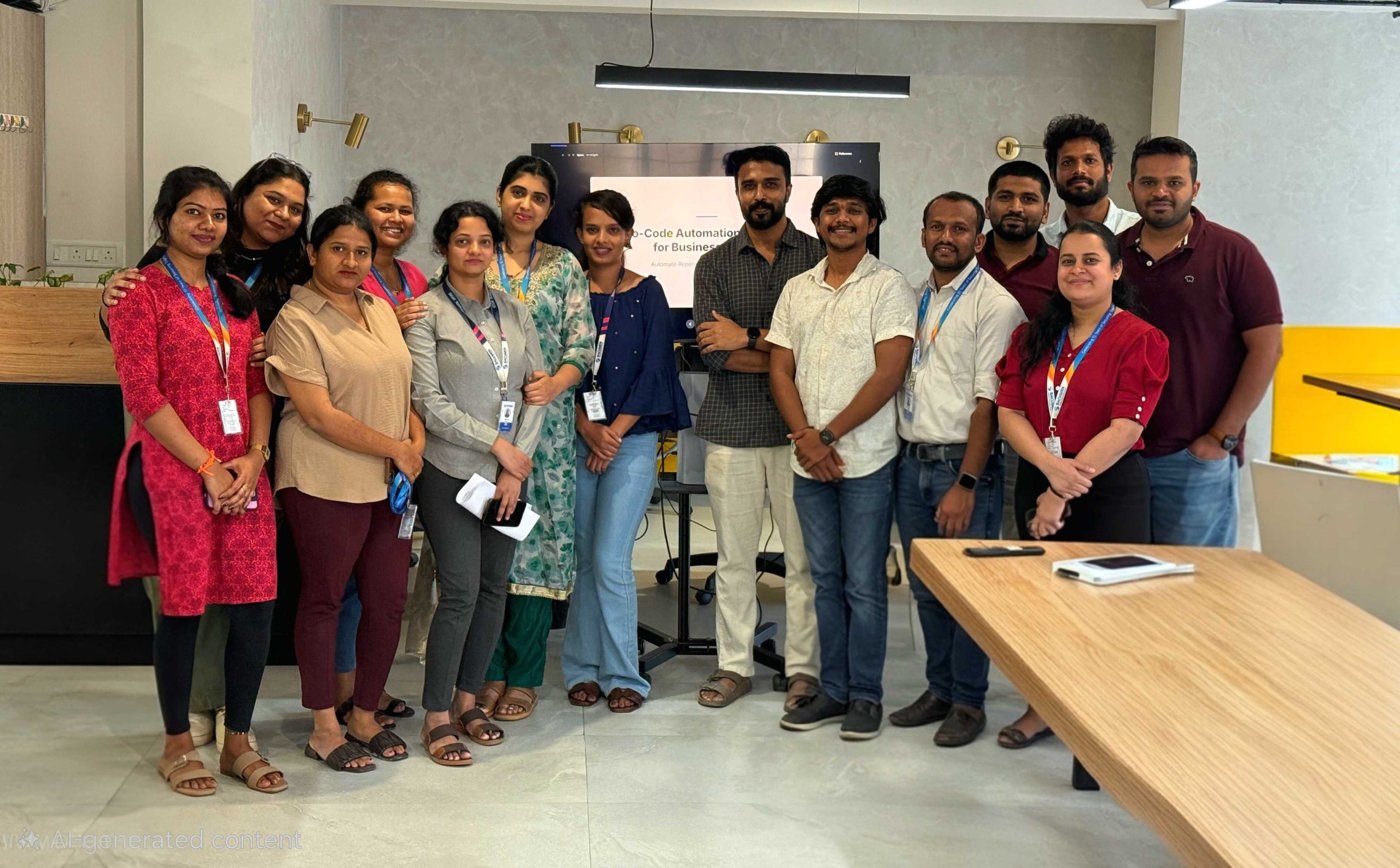
We run structured workshops tied to role-specific use cases — not generic AI overviews that leave people unsure what to do Monday morning. As tooling evolves, the workshops evolve with it. And increasingly, the sessions are run by our own engineers as well as the resource persons — people who build with AI daily, sharing what is working in practice, not what looks good on a slide deck.
Hackathons
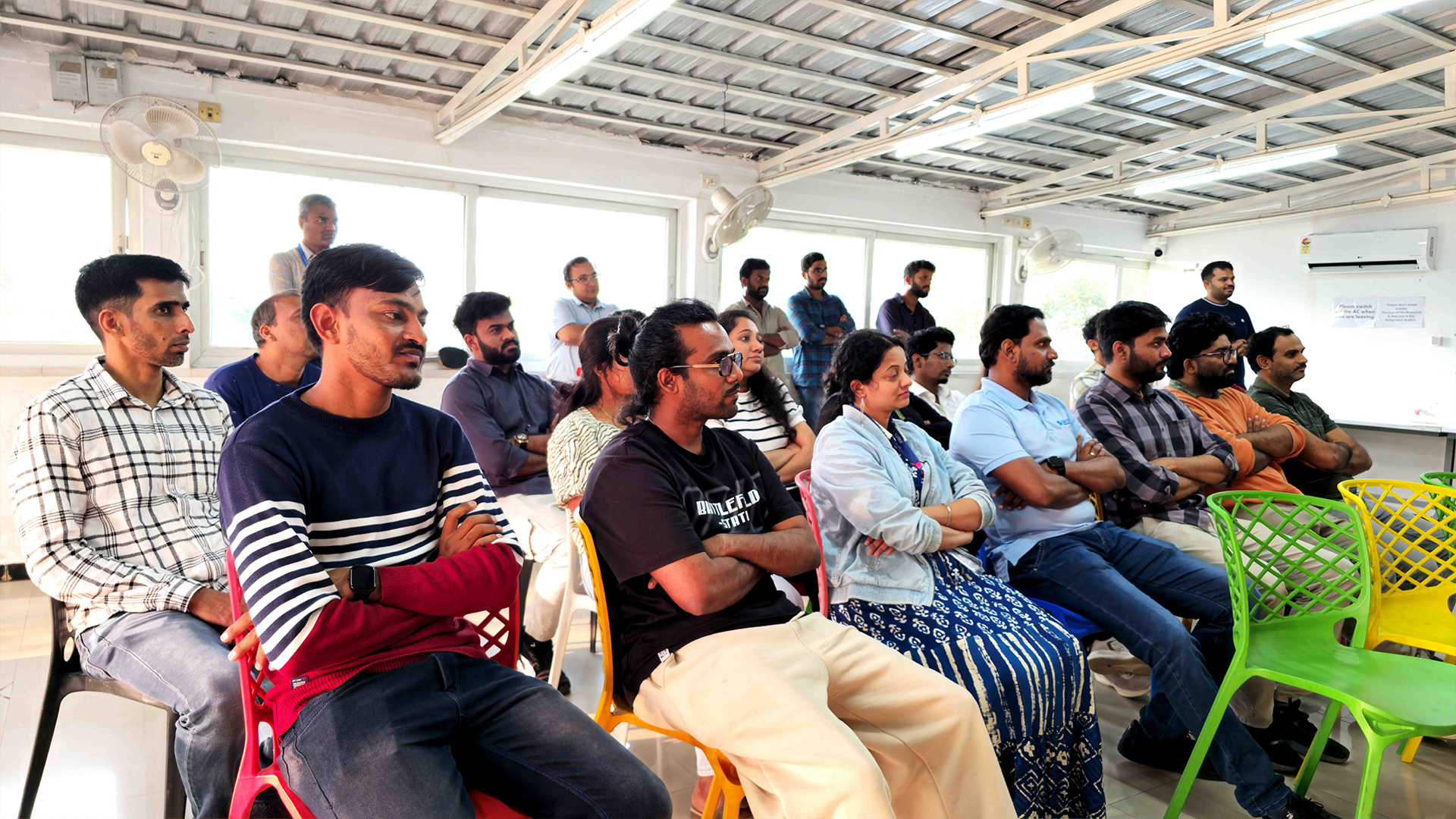
Hackathons are where ideas get pressure-tested. Cross-functional teams — engineers alongside QA, product, marketing, HR, and operations — take a defined problem, a time-box, and the freedom to build something that works. The culture signal here matters as much as the output: experimentation is expected, failure is treated as data, and speed is valued. The best ideas not only get celebrated and shelved — they get evaluated into how we actually work.
Hands-On Development
Workshops teach. Hackathons test. Hands-on development is where fluency actually takes root.
Engineers work on new idea bring meaning solution in the path of AI. Marketing teams build AI-assisted workflows, apps, and websites. HR teams work with AI for hiring intelligence and people analytics. Finance and ops use AI to automate reporting and streamline process-heavy work.
The method is the same everywhere: fluency comes from doing, not from watching someone else demonstrate. And what gets learned does not stay in a training module — employees take it into real problems. Ideas that once sat in a backlog get shipped. Processes that once required three handoffs get automated.
Continuous Learning Tracks
AI tooling changes every quarter. A company that upskills once and considers the work done is already falling behind.
Sacumen’s approach treats learning as a built-in cadence — not a scheduled event that gets announced, completed, and forgotten. Weekly tool sharing, internal channels dedicated to AI discoveries, curated reading and tool lists that evolve with the landscape. Leadership participates visibly in this. When people see leaders actively learning and sharing what they do not know yet, the culture signal is clear: staying current is the standard, not the exception.
AI Beyond the Tech Team
The productivity gains from AI upskilling don’t compound when only engineers have them. They compound when the whole organisation does — because every function connects to every other.
- Marketing uses AI across the content lifecycle — research, drafting, editing, campaign analysis, designing, and performance reporting. Work that once took days now takes hours.
- HR applies AI to hiring workflows — screening signals, onboarding documentation, and people analytics that surface patterns a manual review would miss.
- Sales uses AI to sharpen outreach — account research, personalised sequences, call prep, and deal intelligence that cuts the time between first touch and qualified conversation.
- Finance and Ops use AI for reporting automation and process efficiency — removing repetitive, low-judgment work from people whose time is better directed at decisions that require human thinking.
What We’re Seeing
We are still building. But the signals are clear enough to name.
- Turnaround on work that previously took days is shrinking — not because people are working more hours, but because AI is handling parts of the work that do not require human judgment.
- Employees across teams are experimenting — identifying where AI can change their approach, not just execute a task faster.
- The culture is shifting from AI as something only the engineering team uses to AI as how we all work.
That shift does not happen because leadership mandates it. It happens when people have enough hands-on experience to trust it — and enough organisational support to keep pushing without fear of getting it wrong.
What This Means for the Future
A future-ready workforce is a competitive differentiator that does not show up in a product spec or a sales deck. It shows up in delivery speed, in the quality of what gets built, and in the ability to move when the market does.
Innovation doesn’t live in one department. It scales when everyone can build. At Sacumen, the next phase of growth — in what we deliver for clients, in the capabilities we embed in ConnectX, and in the talent we attract and retain — is being built on this foundation.
Companies that get AI fluency right won’t just deliver faster. They’ll think differently about problems, products, and what their teams are capable of. That’s what we’re working toward.
Sacumen is building an AI learning culture — not as a program, not as a phase, but as a permanent standard of how we operate. The goal is straightforward: equip every employee with the knowledge to withstand and succeed in an ever-evolving world.
Other Blogs