How Vulnerability Management Integration Enhances Product Stickiness and Reduces Churn?

As cybersecurity threats become more sophisticated and persistent, organizations are under immense pressure to strengthen their security posture. In this landscape, Vulnerability Management (VM) has emerged as a critical component — helping businesses identify, assess, and remediate security weaknesses before they’re exploited.
For cybersecurity product companies, integrating with leading Vulnerability Management platforms is no longer optional. It’s a strategic move that directly impacts product usability, customer satisfaction, and long-term retention.
In this blog, we explore how Vulnerability Management integration not only enhances product stickiness but also plays a significant role in reducing churn — making your product indispensable to customers.
The Rising Importance of Vulnerability Management Platform Integration.
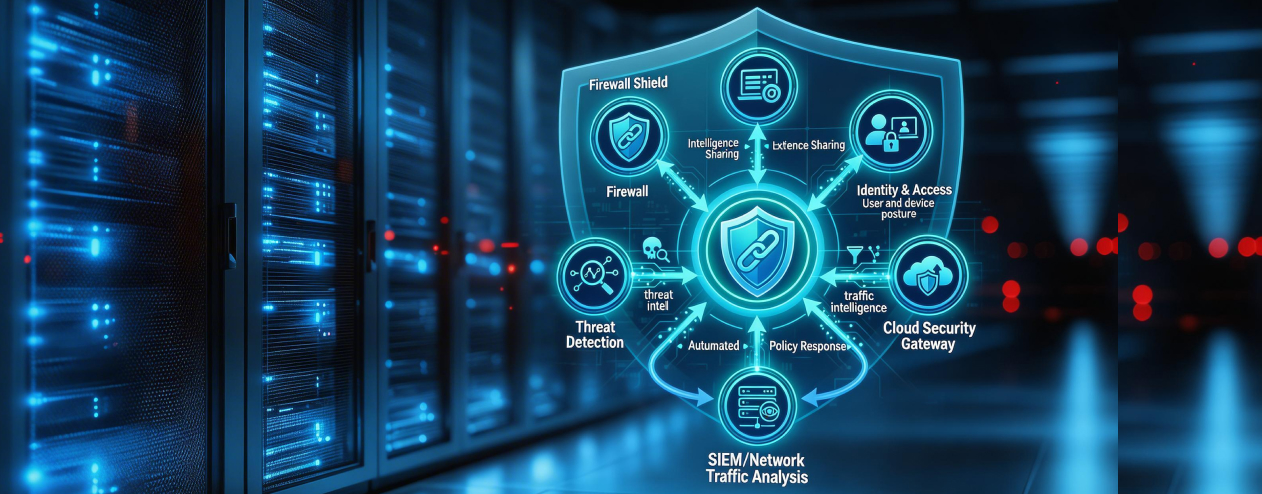
Vulnerability Management platforms like Qualys, Tenable, Rapid7, and CrowdStrike provide real-time insights into exploitable vulnerabilities across endpoints, networks, and applications. However, the real value is unlocked when these insights are integrated into other cybersecurity tools — such as SIEM, SOAR, Threat Intelligence, or Compliance solutions.
By integrating VM platforms with your product, you:
- Deliver richer context to security events.
- Automate remediation workflows.
- Provide continuous risk posture visibility.
This capability transforms your product from a passive tool into an active participant in the security lifecycle, ensuring that customers rely on it regularly — which directly contributes to product stickiness and retention.
How Vulnerability Management Integration Enhances Product Stickiness?
Product stickiness is about how often users return to and depend on your product. VM integration supports this in multiple ways:
- Daily/Weekly Usage Triggers: Integrated vulnerability data leads to alerts, reports, or remediation actions that demand frequent user engagement.
- Workflow Embedding: When your product pulls in VM data, it becomes embedded into the customer’s security and compliance workflows, making it harder to replace.
- Proactive Security Value: Instead of reacting to incidents, users gain proactive insights from your product — increasing its perceived value.
- Improved User Experience: With VM insights readily available, users don’t need to switch tools, which enhances convenience and keeps them engaged within your product.
How Vulnerability Management Integration Helps Reduce Churn?
Customer churn happens when users no longer see value in a product. VM integration helps combat this by:
- Providing Continuous Value: Regular vulnerability data updates ensure the product remains relevant and valuable over time.
- Aligning with Customer Goals: Many organizations have compliance, audit, or risk-reduction goals. Integration helps your product support these goals directly.
- Increasing Platform Dependence: The more your product integrates with external security ecosystems like VM platforms, the more embedded it becomes — raising switching costs.
- Supporting Executive Reporting: VM integration enables insightful dashboards that support business decisions, making your product important beyond just the security team.
Common Challenges in Vulnerability Management Integration – And How to Overcome Them?
Despite the benefits, integrating with VM platforms presents several challenges for cybersecurity product teams:
- API Complexity: VM platforms have rich but often complex APIs that require deep understanding and custom handling.
- Scalability Issues: Integrating high-volume vulnerability data can impact product performance if not optimized.
- Data Normalization: Different platforms present data in different formats, making it difficult to unify insights across multiple systems.
- Security and Compliance: Any integration involving sensitive data must meet strict compliance standards like SOC2, ISO27001, and GDPR.
How to overcome these?
- Work with experts who specialize in VM integrations and understand platform nuances.
- Design modular and scalable connector frameworks to support long-term integration health.
- Leverage predefined mapping and normalization logic to ensure consistent data quality.
How Sacumen Helps Product Companies Build Vulnerability Management Integrations?
Sacumen is a specialized cybersecurity product engineering company focused on building robust, scalable integrations — including deep expertise in Vulnerability Management platforms.
- We’ve delivered 4050+ integrations across security domains including Qualys, Tenable, Rapid7, Crowd Strike, and more.
- Our team builds custom, plug-and-play connectors tailored for performance, accuracy, and compliance.
- We offer modular, API-driven frameworks that reduce integration time and effort.
- The result? Faster go-to-market, improved product capabilities, and reduced internal development burden.
By partnering with Sacumen, product leaders ensure their solution stays connected, competitive, and compelling in a crowded cybersecurity landscape.
Is your product leveraging the full potential of Vulnerability Management integration? Let Sacumen help you build integrations that increase stickiness, reduce churn, and drive product growth.
Other Blogs