Why Integrating Ticketing Systems with SIEM Tools Is a Must for Cybersecurity Products?
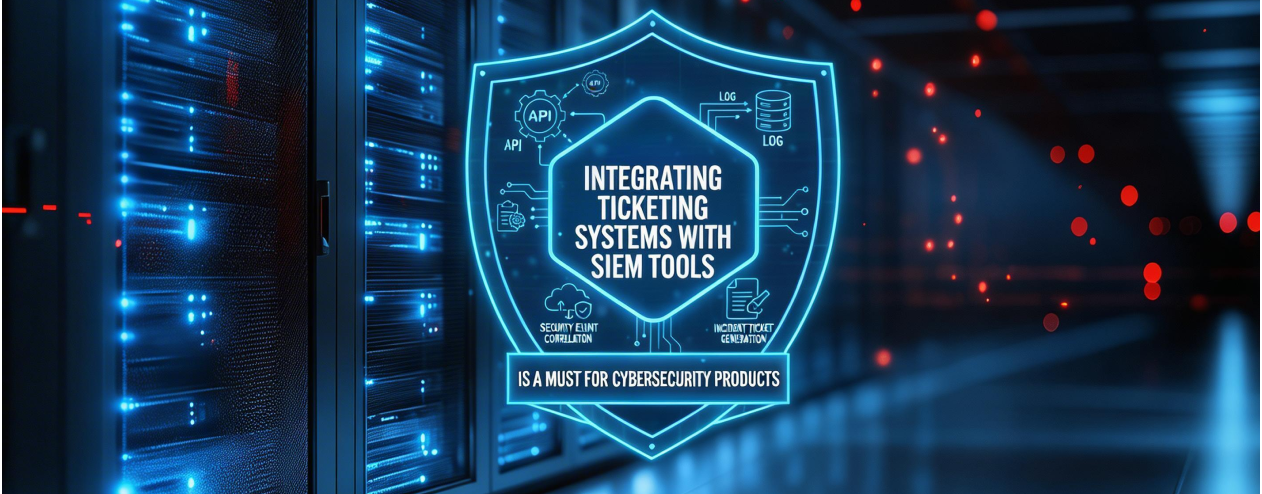
The cybersecurity threat landscape is evolving at an unprecedented pace, with sophisticated attacks targeting organizations of every size. As threats multiply, the speed and accuracy of incident management have become crucial for minimizing damage. This is where the integration of Ticketing Systems Platforms/Tools with Security Information and Event Management (SIEM) tools plays a game-changing role. Modern security products are no longer just about detection—they must streamline incident response, ensure accountability, and improve operational efficiency. In this blog, we explore why integrating ticketing systems with SIEM tools is essential for cybersecurity products, the benefits it delivers, common integration challenges, and how Sacumen enables security product companies to build these high-value integrations effectively.
From Optional Add-On to Core Capability: The Ticketing Integration Shift.
In the past, cybersecurity tools operated in silos, with detection, tracking, and remediation handled separately. This disjointed workflow often led to delays, miscommunication, and incomplete resolutions. Today, businesses are embracing Ticketing Systems Platforms/Tools integrationas a way to centralize operations and make incident response more efficient. Integrating a ticketing system with SIEM ensures that every alert detected in real time is automatically converted into a trackable task, complete with ownership, timelines, and resolution steps. This approach not only accelerates response times but also improves accountability, compliance, and team collaboration. In a world where every second counts, such integrations are no longer optional—they are a critical component of any modern security strategy.
Why Cybersecurity Products Must Integrate Ticketing Systems with SIEM Tools?
Faster Incident Response
SIEM tools detect threats in real time, but without ticketing integration, incidents can get lost in email chains or manual logs. Integration automatically generates tickets for SIEM alerts, ensuring immediate action and reducing Mean Time to Respond (MTTR).
Centralized Workflow
With integration, security teams no longer juggle between multiple platforms. All alerts, investigation steps, and remediation updates are tracked directly in the ticketing system.
Improved Accountability & Tracking
Every incident is assigned, time-stamped, and monitored until closure. This ensures no alert goes uninvestigated, while also improving compliance and audit readiness.
Reduced Human Error
Manual alert-to-ticket conversion increases the risk of oversight. Automation ensures consistent, error-free incident creation.
Enhanced Collaboration Across Teams
Security analysts, IT operations, and support teams work within a unified environment, sharing the same updates and resolution progress.
Compliance & Reporting
Regulations like ISO 27001, SOC 2, and GDPR require proper incident tracking. Integrated ticketing provides a clear audit trail for regulatory needs.
Better Resource Prioritization
Integration enables automatic prioritization based on SIEM severity scoring, ensuring that high-risk threats are addressed first.
Continuous Improvement
Historical ticket data allows teams to identify recurring issues and refine security measures over time.
Key Obstacles in Ticketing Systems Tools-SIEM Integration and Their Solutions.
Integrating ticketing systems with SIEM tools is powerful, but not without challenges. Data mapping complexities can arise when aligning SIEM alerts with ticketing workflows, especially if custom fields or unique event types are involved. API limitations of certain platforms can restrict real-time synchronization or full automation. Security concerns are also critical—ensuring that sensitive incident data remains protected during data transfers is paramount. Additionally, integration efforts can be hindered by lack of standardization across platforms, requiring extensive customization. To overcome these challenges, cybersecurity product companies should adopt secure, scalable integration architectures, leverage robust middleware or connectors, and implement strong authentication protocols. Partnering with experienced integration specialists, such as Sacumen, ensures compatibility with leading platforms, smooth deployment, and ongoing optimization—allowing teams to focus on threat mitigation rather than technical roadblocks.
Building Secure, Scalable, and Customized Integrations with Sacumen.
Sacumen specializes in building custom integrations with leading Ticketing Systems Platforms/Tools for cybersecurity products. Having delivered numerous successful integrations, Sacumen ensures high performance, customization, and seamless platform compatibility. Our capabilities include Seamless Integration Development, Real-Time Data Synchronization, Automation of Incident Response Workflows, Context-Rich Tickets, Compatibility with Leading Platforms, Secure and Scalable Architecture, and Ongoing Support and Enhancements. The result—faster go-to-market, enhanced product capabilities, and reduced in-house development effort. By partnering with Sacumen, security product companies can deliver smarter, more responsive solutions to their customers, ensuring incidents are tracked, managed, and resolved efficiently.
Other Blogs