- Home
- Blog
- How Secure Access Platform Integrations with Firewalls Help Cybersecurity Companies Protect Client Networks?
How Secure Access Platform Integrations with Firewalls Help Cybersecurity Companies Protect Client Networks?
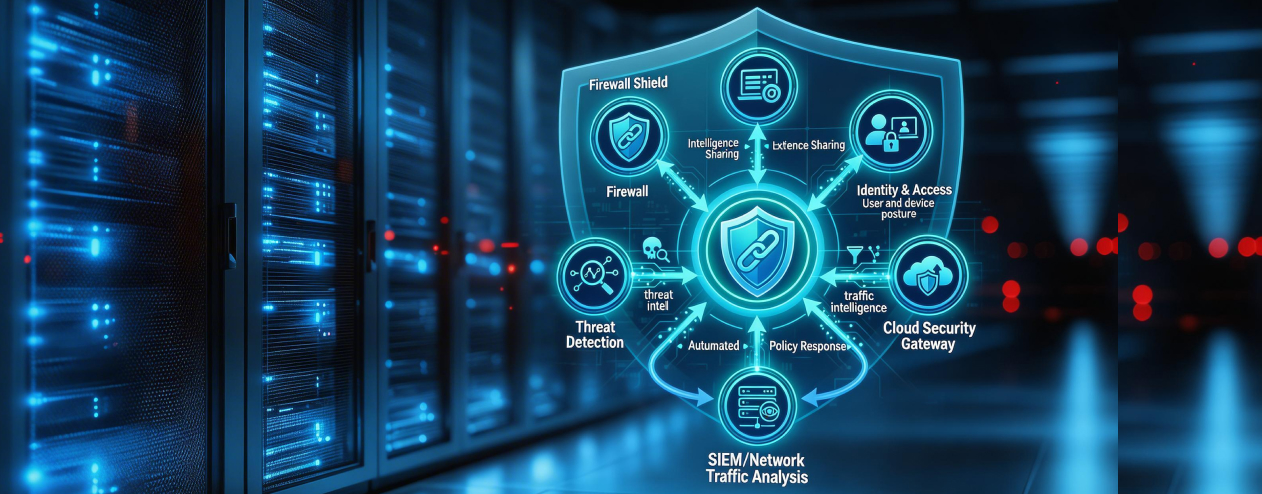
In today’s digital landscape, growing cyber threats and increasingly complex client networks demand identity-aware and access-driven security. While firewalls provide crucial perimeter protection, they alone cannot guarantee that the right users have access to the right systems. Secure Access Platforms (SAPs) address this gap by managing authentication, authorization, and user session controls. When SAPs are integrated with firewalls, cybersecurity companies gain a stronger, layered defense that protects client networks from unauthorized access, insider threats, and advanced attacks. This blog explores how integrating SAPs with firewalls strengthens network security from an access-first perspective.
Understanding Secure Access Platforms. (SAPs)
Secure Access Platforms are designed to manage who can access an organization’s systems, applications, and data. Their core functions include authentication, authorization, identity verification, and session management. SAPs enforce zero-trust principles, operating on the philosophy of “never trust, always verify,” ensuring that every access request is validated before approval.
While firewalls manage network-level traffic by allowing or blocking data packets, SAPs provide identity-level visibility and control. This combination—access-level insights from SAPs and network-level protection from firewalls—forms a comprehensive security posture.
Why Integration of SAPs with Firewalls Matters.
SAPs and firewalls serve complementary roles. SAPs govern who can access what, while firewalls govern which traffic is permitted or blocked. Integrating the two creates several strategic advantages for cybersecurity companies:
- Context-aware access control: Firewall policies can adapt based on user roles, device posture, or location.
- Threat correlation: Combining user activity with network activity allows for faster detection of suspicious behavior.
- Dynamic policy enforcement: Firewall rules can be updated in real time based on SAP signals, automatically mitigating potential risks.
How Secure Access Platform Integrations with Firewall Tools Strengthen Client Network Protection.
a. Strengthened Access Control
SAPs ensure that only authenticated and authorized users can access sensitive systems and applications. Beyond traditional passwords, they leverage multi-factor authentication, device posture assessments, and contextual risk evaluation.
When integrated with firewalls, SAPs trigger network-level restrictions automatically. For example, a remote employee attempting to access a financial system from an unusual location can have their access restricted by the SAP, while the firewall simultaneously blocks any unauthorized network traffic.
Benefit: This layered control significantly reduces unauthorized access and insider threats, ensuring that both identity and network security are tightly managed.
b. Enhanced Threat Visibility
SAPs provide detailed insights into who is accessing what, when, and from where. By combining these insights with firewall logs, cybersecurity teams can correlate identity information with network activity, creating a comprehensive picture of potential threats.
For instance, if a user downloads sensitive files outside standard working hours while the firewall records unusual outbound traffic, the integration can flag this activity as high-priority, allowing security teams to act quickly.
Benefit: Full-spectrum visibility enables proactive detection and prevention of attacks, reducing the likelihood of breaches and improving overall network security.
c. Faster Incident Response
Integration allows SAP-triggered alerts to automatically influence firewall policies, creating dynamic threat mitigation. Security teams gain synchronized access and network data in real time, allowing rapid response to incidents.
Example: If an employee’s credentials are suspected to be compromised, the SAP can immediately revoke access, while the firewall blocks any ongoing suspicious network traffic.
Benefit: Reduces the attacker’s dwell time inside the network and minimizes potential damage, making incident response both faster and more effective.
d. Regulatory Compliance and Audit Readiness
Cybersecurity regulations such as GDPR, HIPAA, and ISO 27001 require organizations to maintain detailed records of access to sensitive data and network activity. Integrating SAPs with firewalls provides a centralized, audit-ready log that combines identity-based access information with network traffic events.
During audits, security teams can demonstrate that sensitive systems are accessed only by authorized users and that abnormal network activity is promptly blocked.
Benefit: Simplifies compliance reporting, reduces audit preparation time, and strengthens client trust by demonstrating strong security governance.
Sacumen’s Role in Secure Access Platform Integrations.
We support cybersecurity companies with the integration of leading SAPs and firewall platforms to deliver seamless, low-latency solutions that allow cybersecurity companies to focus on protecting client networks. Our expertise ensures that SAP and firewall integrations are robust, efficient, and tailored to client-specific environments.
Conclusion.
Integrating Secure Access Platforms with firewalls transforms network security from reactive to proactive. Cybersecurity companies benefit from strengthened access control, enhanced threat visibility, faster incident response, and simplified regulatory compliance. With Sacumen’s expertise, client networks are not only protected but also managed efficiently, enabling organizations to stay ahead of evolving cyber threats.
Other Blogs